Ōmishima, an island in Japan’s Seto Inland Sea, is significant for its Oyamazumi Shrine, a protector of Japan since 927. Merged with Imabari in 2005, it serves as a cultural hub. Visitors enjoy cycling, exploring museums, and the peaceful village lifestyle, particularly at the renowned I-Link hostel near local attractions.
AI was used in the research of the factual content used below with subsequent editing.

- Dense History and Cultural Pedigree
- Oyamazumi Shrine
- Oyamazumi Shrine’s Treasure Hall
- Murakami Mishima Memorial Museum
- With Hostel Intentions
Ōmishima has been a spiritually and strategically important island in Japan’s Seto Inland Sea for centuries, best known for its ancient Oyamazumi Shrine and its role in regional maritime history. The island has been revered as the “Island of Gods”, centered around Oyamazumi Shrine, one of Japan’s most important Shinto shrines and the head shrine for mountain and sea deities across the country.
Dense History and Cultural Pedigree
The island has excellent albeit narrow roads circumnavigating the island and cutting across it. The Ōmishima Bridge was completed in 1979. Twenty years later, the Tatara Bridge and integrated Ōmishima into the Shimanami Kaidō route. Administratively, Ōmishima’s towns and villages were merged into the city of Imabari in 2005.
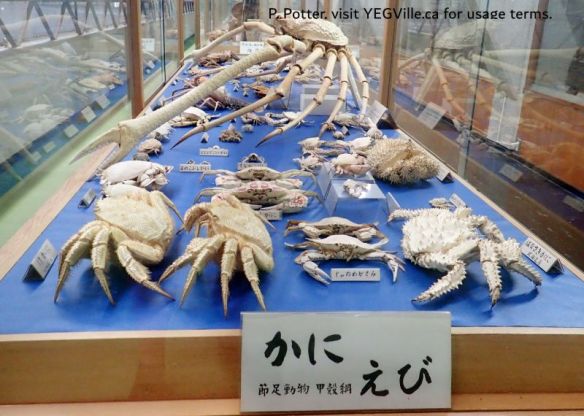
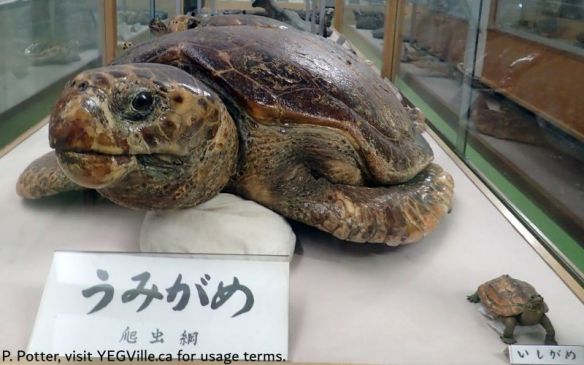
The island is considered the cultural hub of the Seto Inland Sea. Despite its small size, it has about seven formal museums and a dozen of other cultural resources. Photos and notes are for the few of these sites I managed to visit.
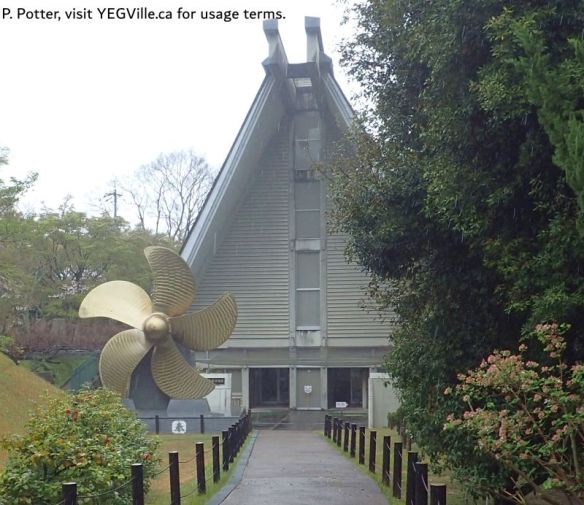
Oyamazumi Shrine
Easily the most important cultural resource. The shrine’s origins trace back to early mytho-historical periods. The exact founding date is unknown, but archaeological evidence shows Ōmishima was a ritual site as early as the 300 CE. The shrine as an entity was moved a few times before finding it s permanent home on the island in the early 700’s.
In 927, it was also honored with the title Nihon Sochinju (“Protector Shrine of Japan”), reflecting its national spiritual significance. Because Ōmishima sat on a major maritime route, warriors traveling across the Seto Inland Sea prayed here for victory and safe return. Members of clans donated swords and armor as votive offerings—creating what is now one of Japan’s most important collections of samurai arms.
The shrine stands at the foot of Mt. Washigatou, a sacred mountain, and is surrounded by ancient camphor trees—some 2,600–3,000 years old—which are themselves objects of worship. While there, we were treated to a wedding ceremony.
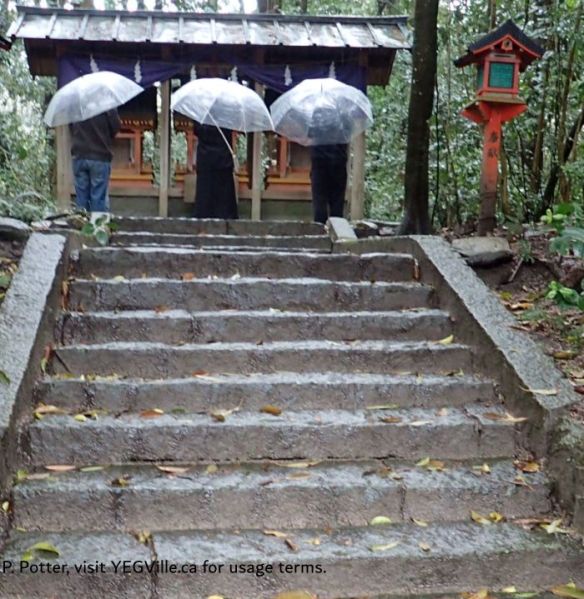
Three supplicants showing praying at one of the smaller shrines, 2026-04-04, Oyamazumi Shrine, Omishima, P. Potter. 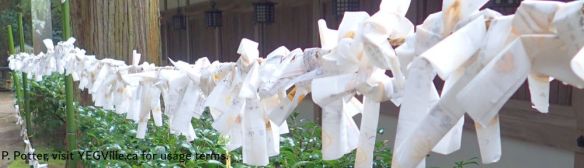
Paper prayers on the site, 2026-04-04, Oyamazumi Shrine, Omishima, P. Potter. 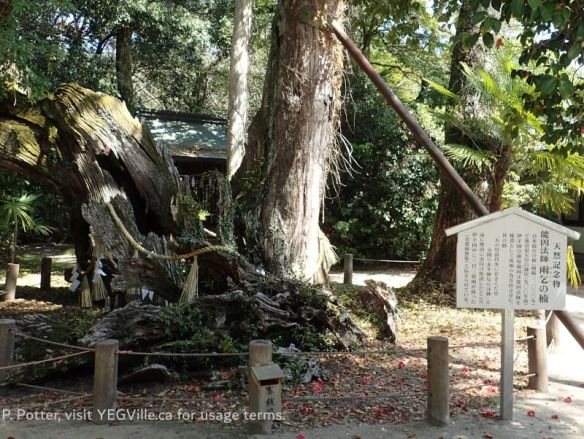
3,000 year old camphor tree, it may have seen better days, 2026-04-03, Omishima Island, P. Potter. 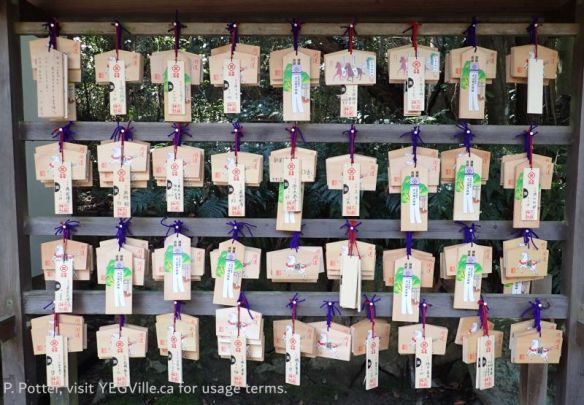
Ema, Shinto Prayer Boards, 2026-04-03, Omishima Island, P. Potter. 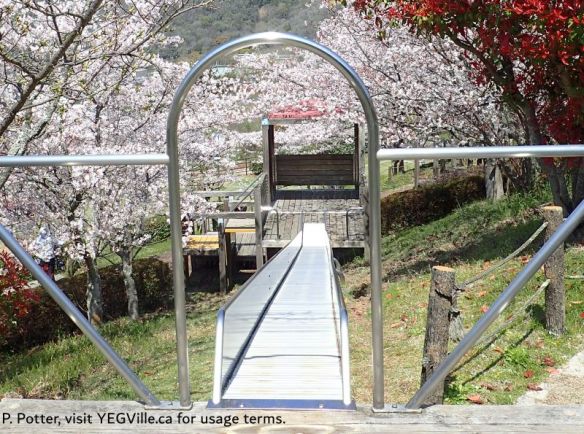
Playground in the Oyamazumi Shrine grounds, 2026-04-03, Omishima Island, P. Potter.
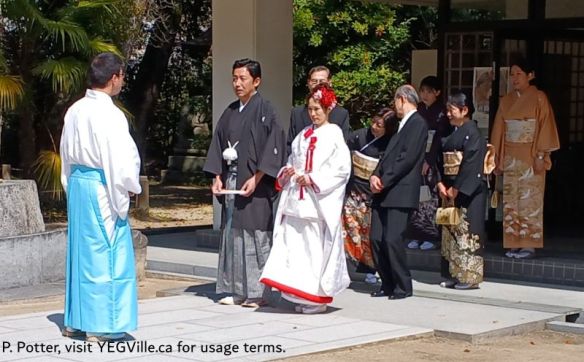
Bride and Groom taking part in a marriage ceremony, 2026-04-03, Omishima Island, P. Potter. 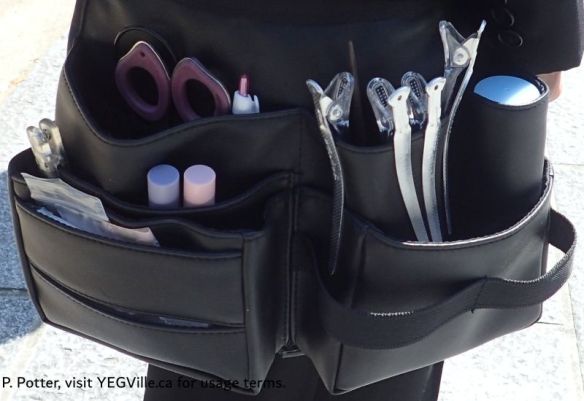
The tool kit of the make up artist attending to the bride, Marriage ceremony, 2026-04-03, Omishima Island, P. Potter. 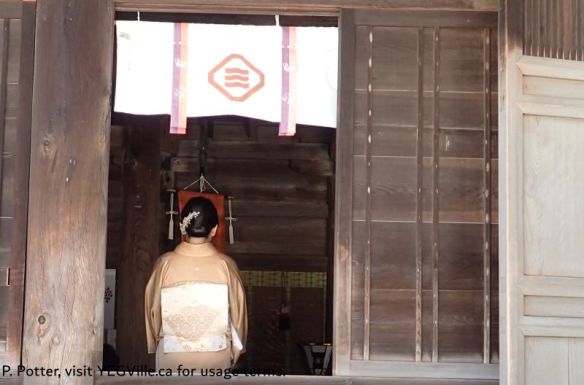
A member of the bridal party and part of a marriage ceremony, 2026-04-03, Omishima Island, P. Potter. 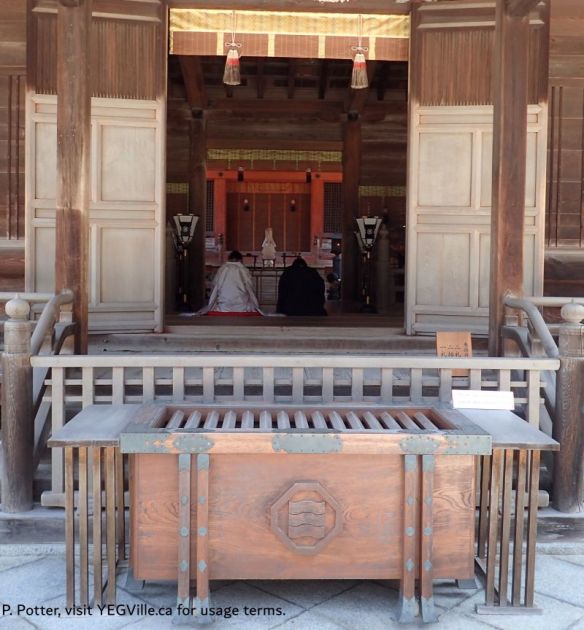
Bride and Groom taking part in a marriage ceremony, 2026-04-03, Omishima Island, P. Potter.
Oyamazumi Shrine’s Treasure Hall
Oyamazumi Shrine’s Treasure Hall is one of Japan’s most extensive samurai collections, preserving the majority of the country’s oldest and most important armor and weapons. It offers a rare, close-up look at battle-worn blades, legendary suits of armor, and sacred artifacts spanning over a millennium. Warriors historically stopped here to pray for victory, then dedicated their gear after successful battles.
As a results, things like the swords have Blades with real battle damage—chips, dents, and wear. The massive ōdachi swords are up to 180 cm long and nearly 5 kg in weight. Google translate is a must with minimum English language translations.
Murakami Mishima Memorial Museum
Ever wander into the wrong museum? I had thought this one provided history on the Murakami ‘pirates’. Not the blood thirsty variety, more the toll collecting Mafia’esque variety. When I asked about the pirates, Google translate worked overtime until the two individuals working there realized I was at the wrong place. They kindly let me in to visit the collection. I can’t say I fully appreciated the pieces, but I did enjoy the skill and mastery of the works.

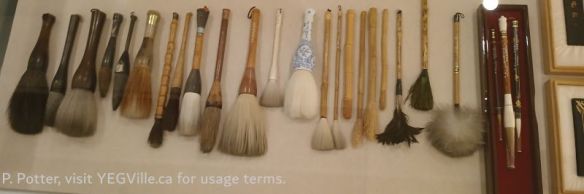
The Murakami Mishima Memorial Museum is a serene, calligraphy‑focused museum showcasing the life’s work of master calligrapher Murakami Mishima, featuring powerful large‑scale works, personal tools, and panoramic views over the Tatara Bridge and Shimanami Park. It’s a quiet, reflective stop on Omishima—especially meaningful if you enjoy Japanese arts, craftsmanship, or cycling the Shimanami Kaidō.
With Hostel Intentions
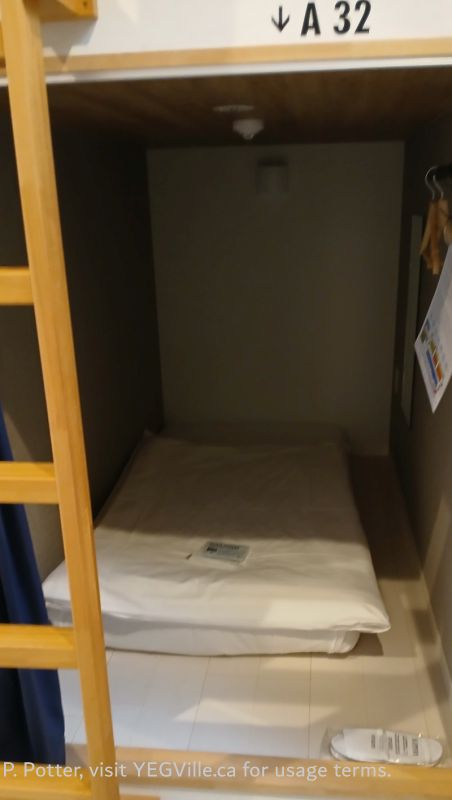
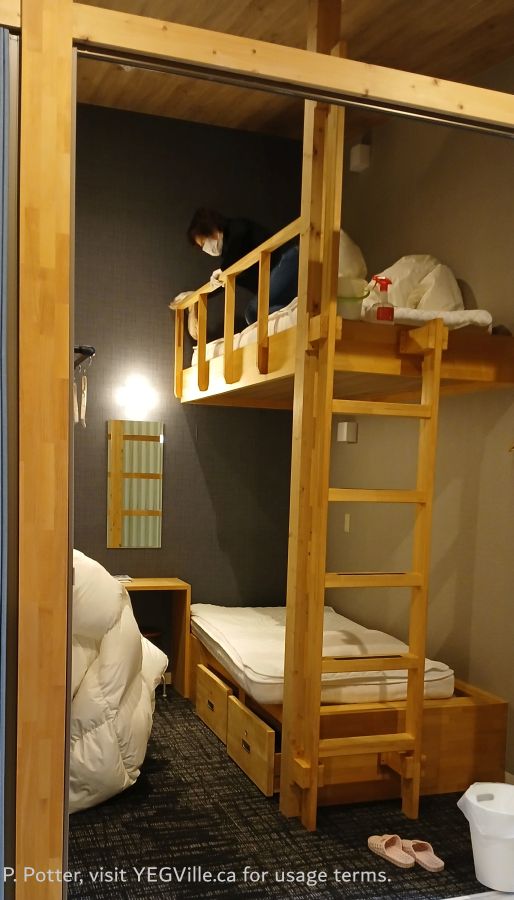
Due to a rain day on the cycling tour, I also drove around the entire island visiting various spots and sneaking peeks of a rural Japanese coastal village lifestyle. The cycling group stayed at the I-Link hostel. Nicely managed, excellent suppers, and very noisy sleeping. It was close to a donut shop that made a pretty good latte.
In all, it was three days of relatively laid back touring, cycling for the group, playing games in the evening, and kibbitzing amongst old and new friends.

 YEG Ville